





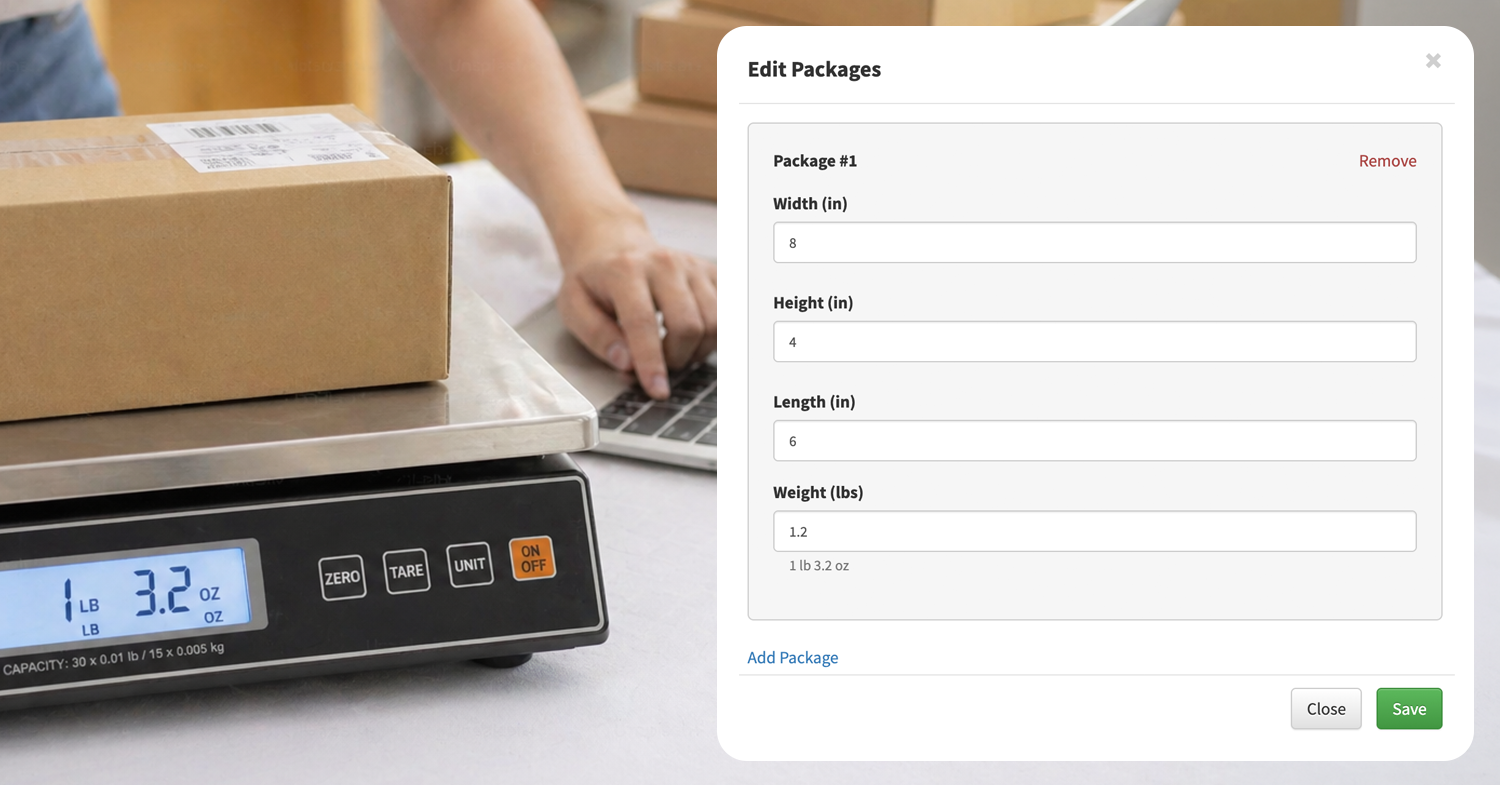
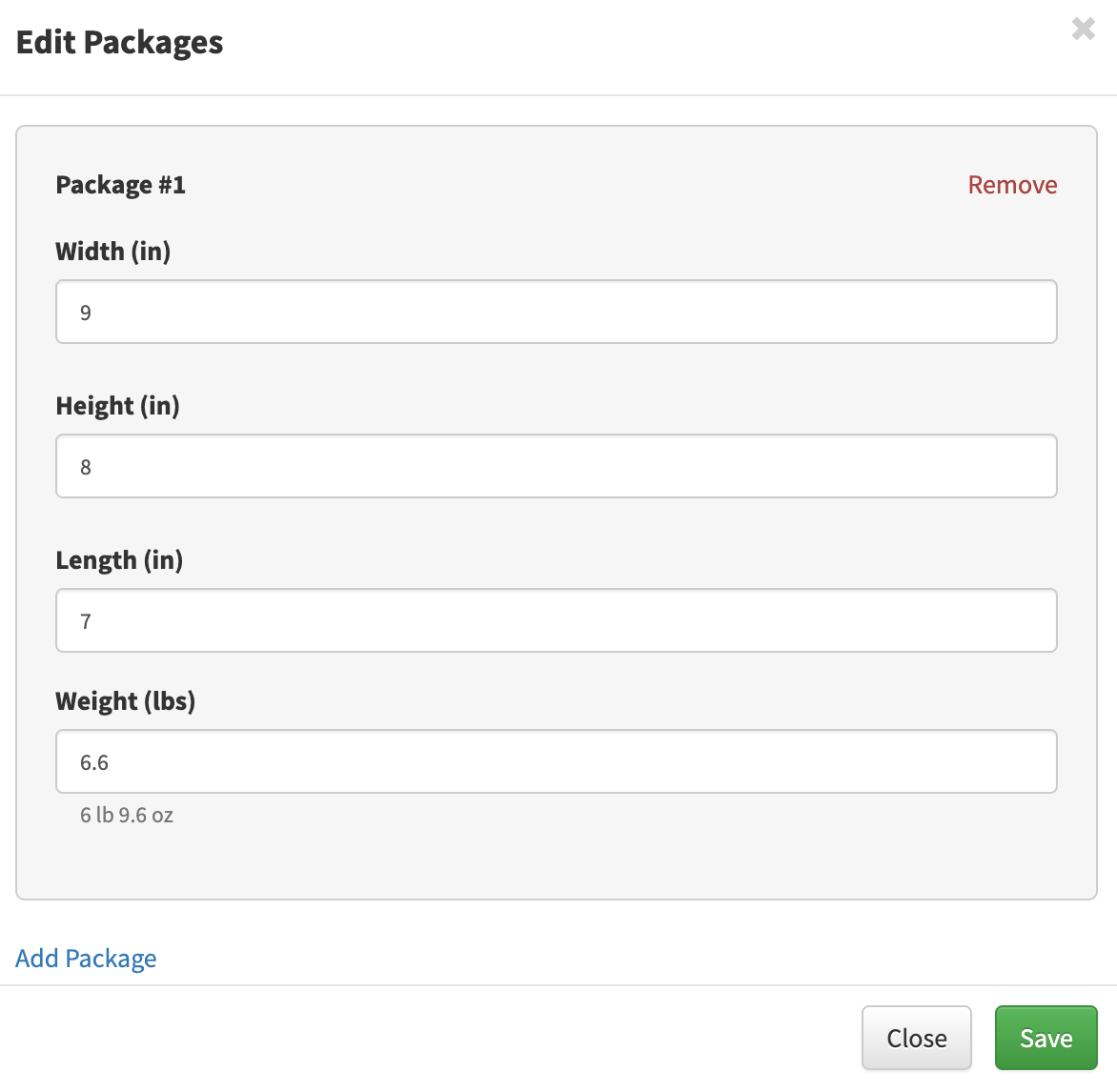
We recently released a small but useful update. In some places, GeekSeller now shows weight as LB + OZ instead of just LB. This helps make values easier to read, especially for smaller weights.
At the same time, we still require weight input in LB only. This applies to both the interface and CSV uploads. LB remains the master value stored in the database.
Below is a simple explanation of how LB and OZ work, why we use them, and why we keep LB as the main unit.
Understanding LB and OZ
LB stands for pounds. OZ stands for ounces.
The key rule: 1 LB = 16 OZ
This is important because it is not a base 10 system. It works more like time: 1.1 hours = 1 hour 6 minutes
Because of this, conversions are not always simple.
Examples of LB and OZ
Here are a few examples to make it clear:
- 1.5 LB = 1 LB 8 OZ = 24 OZ
- 0.75 LB = 12 OZ
- 2.25 LB = 2 LB 4 OZ = 36 OZ
- 0.1 LB = 1.6 OZ (not a clean number)
Why GeekSeller uses LB as the master value
We allow only LB as input, even though we display LB + OZ.
Why:
- Simpler data structure
- Fewer errors in CSV imports
- Easier integrations with marketplaces and carriers
- One consistent “source of truth”
If we allowed both LB and OZ as inputs, we would need to support multiple formats, conversions, and edge cases. This would make the system more complex and less reliable.
Also, GeekSeller originally started over 10 years ago as a Jet.com integration, where LB was the standard unit. We kept this approach for consistency.
Metric or Imperial?
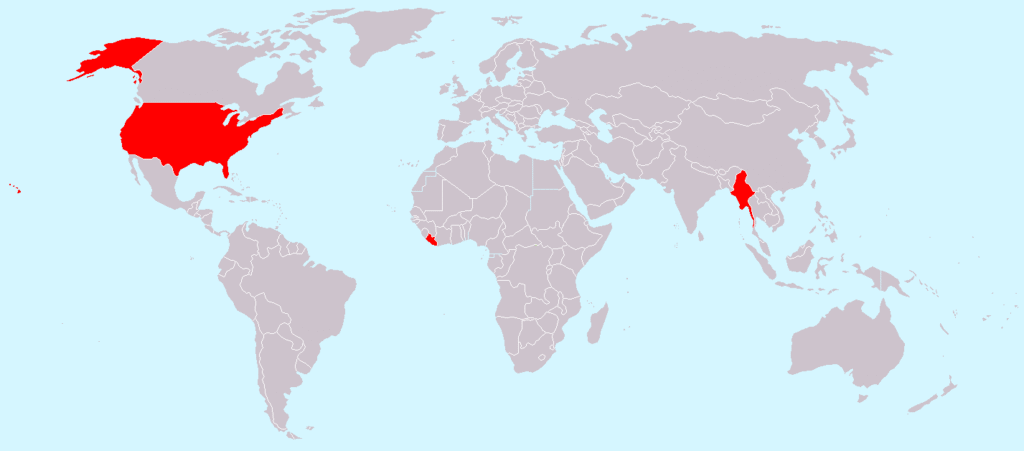
Ounces, inches, feet, Fahrenheit. For most of the world, these feel unfamiliar or something from the past. Only three countries still officially use the imperial system: United States, Liberia, and Myanmar. Even there, what is official does not always match how people actually measure things every day.
The imperial system is based on simple, human references. Body parts, everyday objects, practical use. Unlike the metric system, it is not built around clean multiples of 10, 100, or 1000. That makes it less intuitive for calculations, which is why many people see metric as more efficient. At the same time, some critics say metric is too abstract and not as grounded in real life.
In practice, the U.S. is the main place where imperial still dominates. People use miles, gallons, pounds. But it is not fully consistent. Science uses metric. So do things like megabytes, megapixels, and even sports like the 100 meters. Some Pacific nations connected to the U.S., like Micronesia, Marshall Islands, Palau, and Samoa, also mix in imperial in daily use.
Myanmar and Liberia have not fully adopted metric yet, but both are moving in that direction. In reality, metric is already widely used there. The U.S. also tried to shift. In 1975, it officially called metric the preferred system. But it never really became standard in everyday life.
The United Kingdom sits somewhere in between. It created the imperial system, but now uses both. Distances are in miles, drinks in pints, fuel in miles per gallon. People still talk about weight in pounds or even stone. Other countries like Canada, India, South Africa, and Australia mostly use metric, but imperial shows up in daily life. Height, recipes, ovens, small things like that.
Some imperial units never really went away anywhere. Jeans are sized in inches. Screens too. Pipes as well. Even pizza is often measured in inches, including in countries that otherwise use metric.
So while metric won globally, imperial never fully disappeared. It just became selective, cultural, and in some cases, surprisingly persistent.
Pounds and Ounces
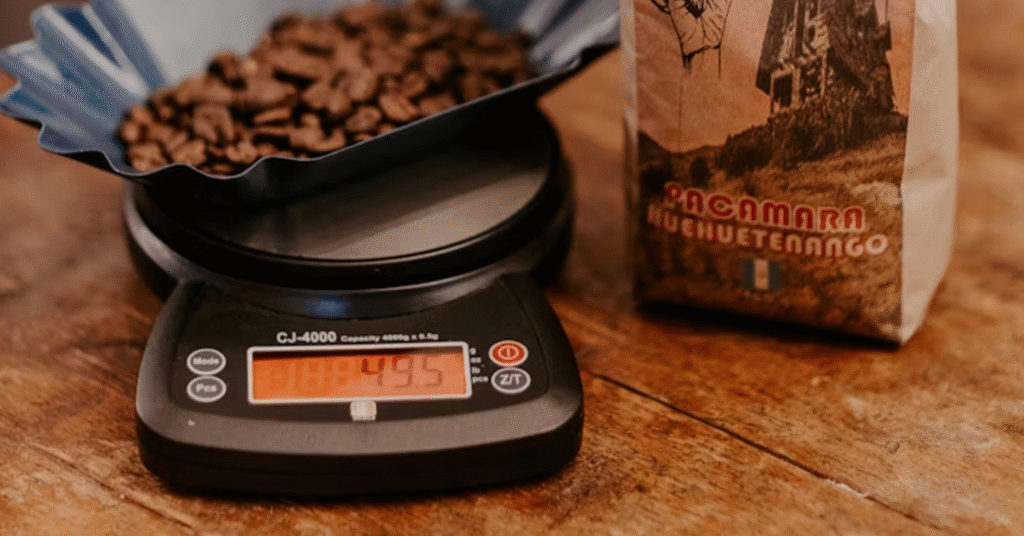
The pound has a long history going back to ancient Rome. The word comes from “libra” (Latin for ‘scale’/’balance’), which is why the abbreviation is LB.
Ounces were used as smaller divisions of the pound. “Ounce” comes from the Ancient Roman word uncia, which simply meant “one twelfth.” Back then, a pound was divided into 12 parts, and one of those parts was an uncia. So originally, an ounce was just “one piece out of twelve.” The word itself comes from Latin unus, meaning “one,” so it was basically just a basic unit or fraction.
From there, the word traveled and changed:
- One version became “inch” (same root, different use)
- Another version became “ounce” as we use it today
The short form “oz” came later from an Italian version of the word, onza. So overall, “ounce” is just a very old word meaning “a small part of something,” specifically one twelfth.
Over time, different countries had slightly different definitions, but today the standard is: 1 LB = 16 OZ.
