




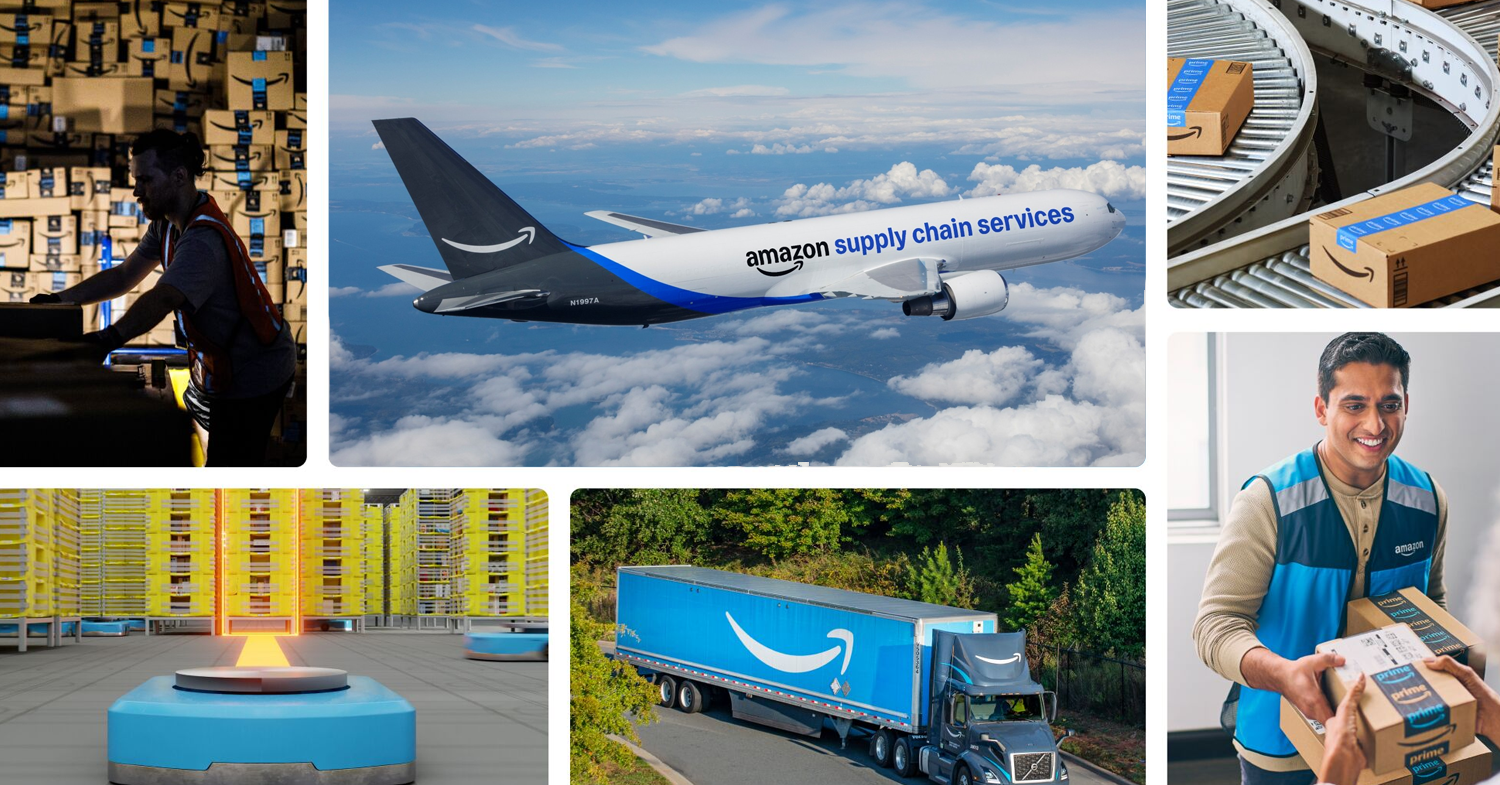
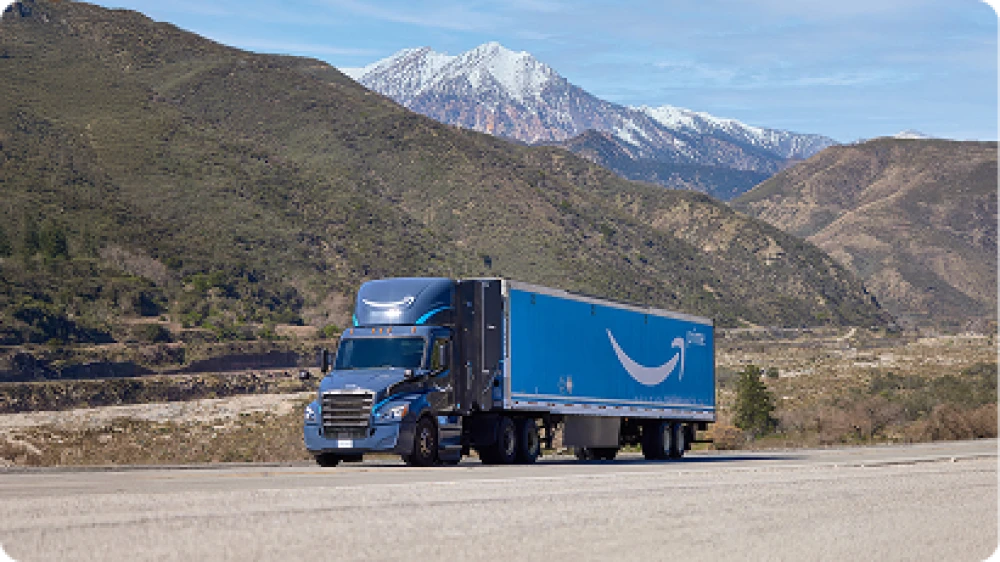
Amazon is opening its logistics network to almost any business through Amazon Supply Chain Services (ASCS). This means businesses can use Amazon’s transportation, warehousing, fulfillment, and parcel delivery infrastructure even if they do not sell products on Amazon.com.
While Amazon has offered logistics and fulfillment services for years, this launch represents a major shift. Previously, businesses had to use separate Amazon services independently, such as freight forwarding or fulfillment. Now, Amazon is bringing everything together under one system, allowing companies to manage their entire supply chain through a single platform, contract, and operational network.
What is Amazon Supply Chain Services?
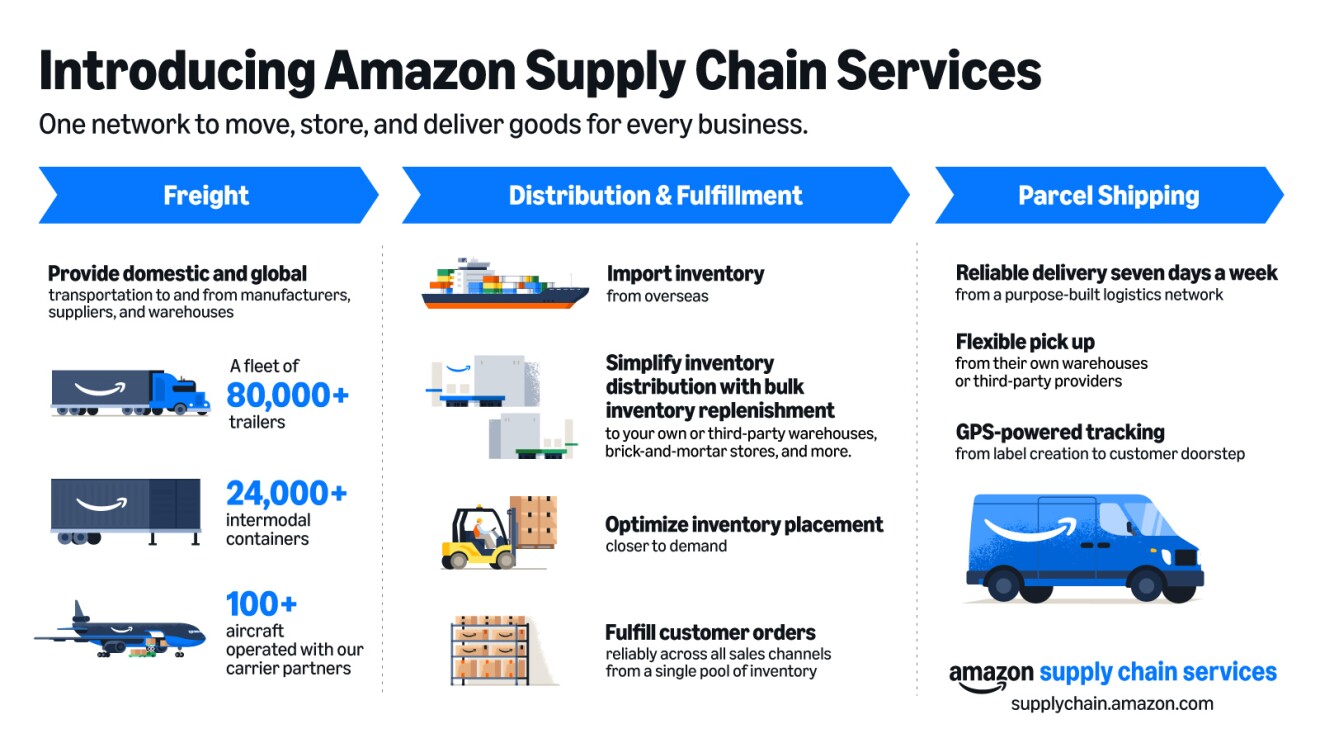
Amazon Supply Chain Services is a logistics platform that combines multiple parts of the supply chain into one network. ASCA is a unified logistics platform that combines freight transportation, warehousing, fulfillment, and parcel delivery into a single service available to businesses of all sizes, even if they do not sell on Amazon Marketplace.
This includes:
- Freight transportation
- Inventory storage
- Distribution centers
- Fulfillment
- Last-mile delivery
- Multi-channel shipping
Instead of building and managing their own warehouse and shipping network, businesses can use Amazon’s infrastructure and technology.
According to Amazon, companies like Procter & Gamble, 3M, Lands’ End, and American Eagle Outfitters are already using parts of the service.
How ASCS Works
In simple terms, businesses send inventory into Amazon’s network.
From there, Amazon can handle different parts of the process:
1. Freight and Transportation
Amazon can help move products from manufacturers or ports into its warehouse network.
This includes inbound transportation and inventory distribution.
2. Warehousing and Storage
Products are stored inside Amazon fulfillment centers and logistics facilities. Amazon’s systems then monitor inventory placement and stock levels.
3. Fulfillment
When orders are received, Amazon picks, packs, and ships the products.
This works similarly to FBA (Fulfillment by Amazon), but now the network is being opened more broadly for businesses outside the Amazon marketplace ecosystem.
4. Multi-Channel Shipping
One of the most interesting parts is multi-channel fulfillment.
Businesses can use Amazon’s logistics network to fulfill orders coming from other channels such as:
- Shopify
- Walmart Marketplace
- TikTok Shop
- eBay
- WooCommerce
- BigCommerce
- Custom websites
This means a seller does not necessarily need to sell products directly on Amazon.com to still use Amazon’s fulfillment infrastructure.
Why This Matters
Building a logistics network is expensive and difficult.
Warehouses, shipping software, carrier negotiations, staffing, and inventory placement all add complexity.
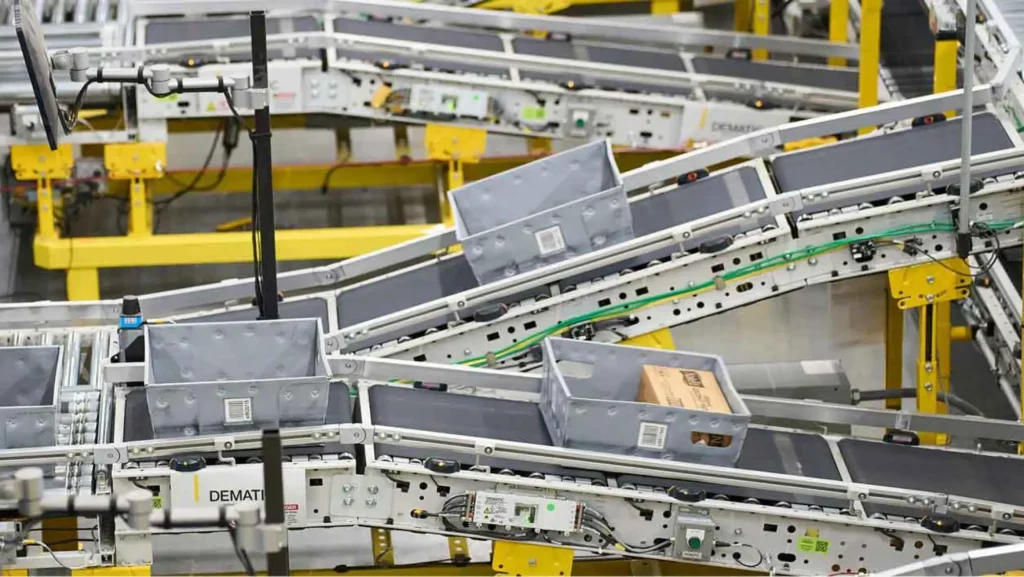
Amazon already spent decades building one of the largest logistics systems in the world. Now businesses can access that infrastructure without building everything from scratch.
For many brands, this can mean:
- Faster shipping
- Lower operational overhead
- Better inventory distribution
- Simplified fulfillment operations
- Easier expansion into multi-channel selling
How GeekSeller Integrates With ASCS and Amazon Multi-Channel Fulfillment (MCF)
At GeekSeller, we already support Amazon Multi-Channel Fulfillment (MCF). This allows sellers to use Amazon’s fulfillment network for orders coming from multiple marketplaces and shopping carts.
For sellers already using Amazon fulfillment infrastructure, GeekSeller helps bridge the gap between sales channels and fulfillment operations.
