




Interested in using your FBT inventory to automatically fulfill orders from other sales channels? Contact us to learn how GeekSeller can automate TikTok MCF and simplify your multichannel fulfillment.
TikTok Shop continues to expand far beyond being just another ecommerce marketplace. The latest example is the introduction of Multichannel Fulfillment (MCF) for its Fulfilled by TikTok (FBT) program.
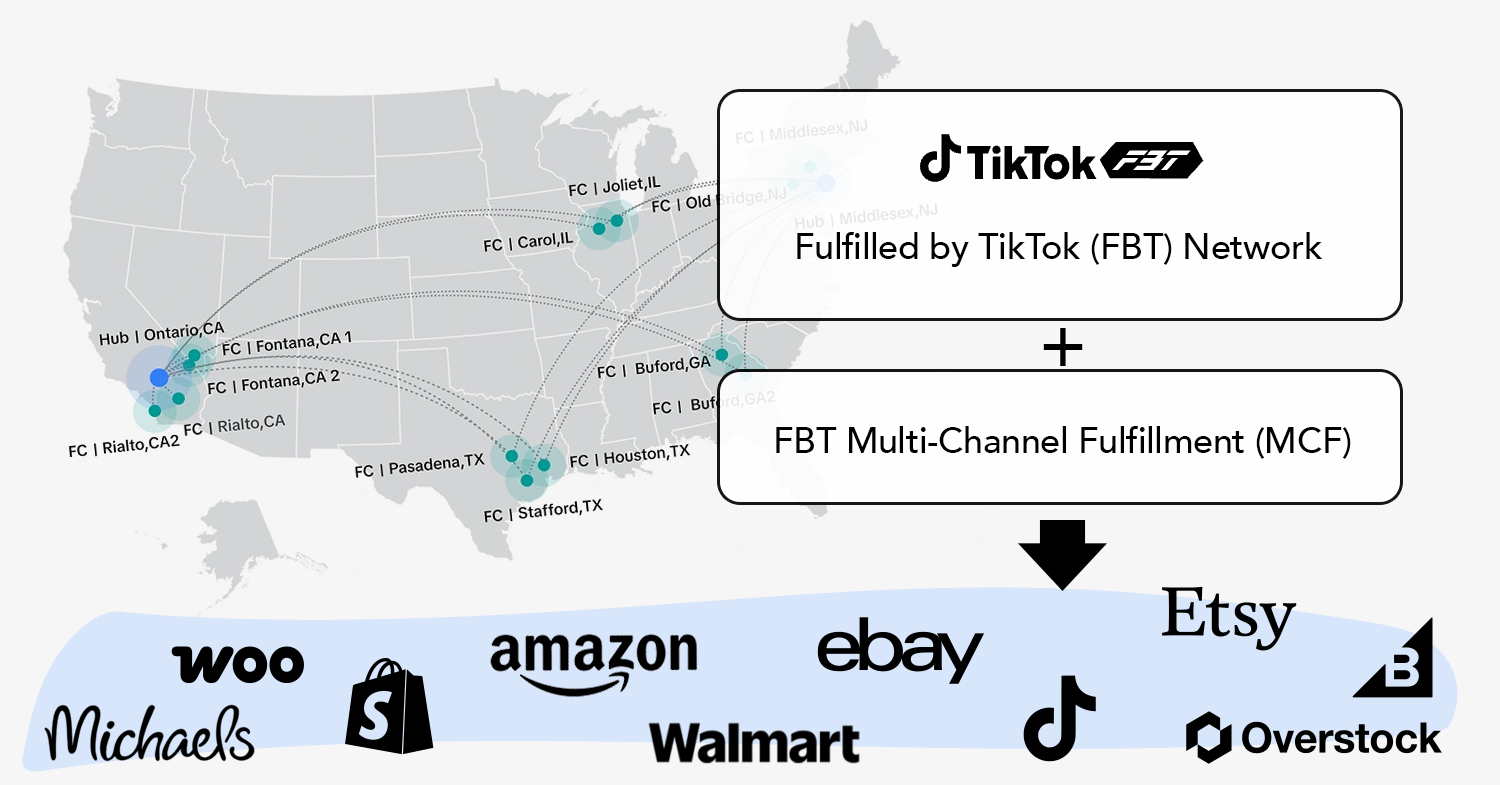
Until now, sellers using FBT could only use inventory stored in TikTok’s fulfillment network to ship orders placed on TikTok Shop. That has changed. With the new FBT MCF program, sellers can now use the same inventory to fulfill orders from other sales channels as well.
In other words, TikTok is no longer just competing for marketplace sales. It is entering the much larger 3PL and fulfillment market, putting itself alongside Amazon, Walmart, and many traditional logistics providers.
The Growing Fulfillment Battle
The three largest ecommerce marketplaces in the US now all offer their own fulfillment networks:
- Amazon has FBA (Fulfillment by Amazon)
- Walmart has WFS (Walmart Fulfillment Services)
- TikTok has FBT (Fulfilled by TikTok)
Originally, all three programs were built for one purpose: fulfilling orders placed on their own marketplaces.
- FBA shipped Amazon orders.
- WFS shipped Walmart orders.
- FBT shipped TikTok Shop orders.
Over time, both Amazon and Walmart expanded beyond their own marketplaces by allowing sellers to use their fulfillment networks for external orders.
Now TikTok is doing exactly the same.
Everyone Has a Different Name
Interestingly, each company decided to use different branding for essentially the same concept.
- Amazon: MCF (Multi-Channel Fulfillment)
- Walmart: MCS (Multichannel Solutions)
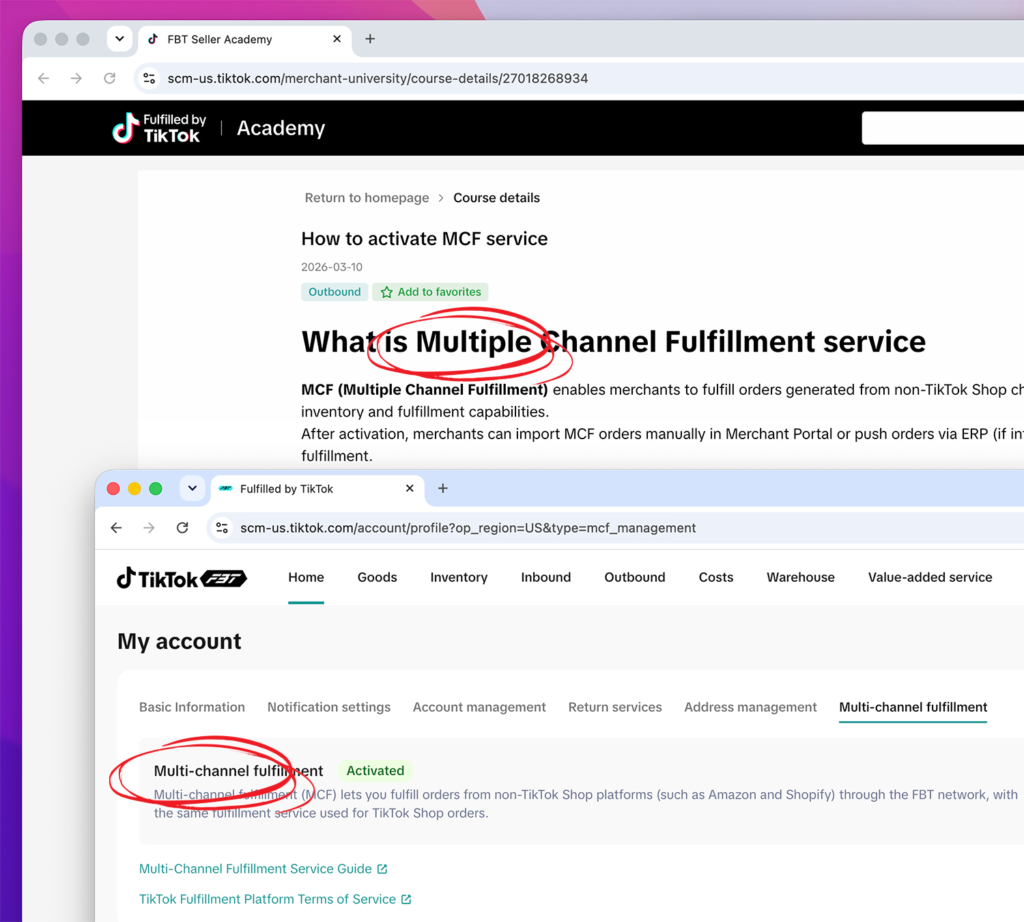
- TikTok: MCF (Multiple Channels Fulfillment / Multi-Channel Fulfillment)
TikTok’s naming is already creating some confusion.
In different parts of TikTok’s documentation and Seller Center, MCF is described as both Multiple Channels Fulfillment and Multi-Channel Fulfillment. While the difference is minor, it creates unnecessary inconsistency. It also means sellers now have another acronym to remember, especially since many people already associate MCF with Amazon.
TikTok Takes a Different Approach
One major difference between TikTok and its competitors is how the fulfillment network is built.
Amazon and Walmart largely own and operate their warehouse infrastructure. They invest billions into fulfillment centers, automation, transportation, and logistics operations.
TikTok took a very different path.
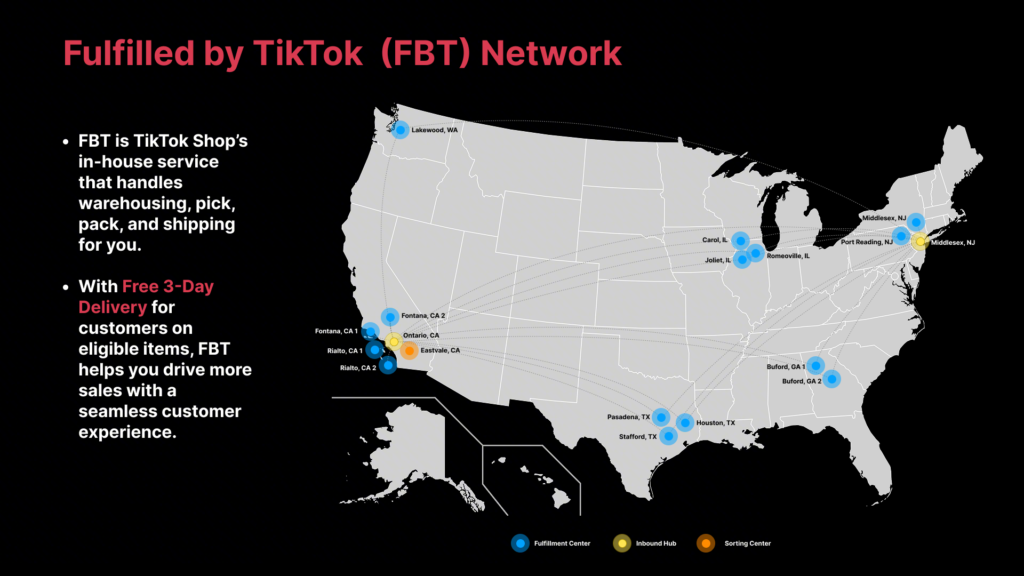
Unlike Amazon and Walmart, which have invested heavily in owning and operating large fulfillment networks, TikTok appears to rely primarily on logistics partners to power its fulfillment services. This allows TikTok to scale much faster without building an extensive warehouse network from scratch, although it also means the company depends more heavily on third-party operators.
This approach allows TikTok to scale much faster without investing billions into real estate and warehouse operations. At the same time, it also means TikTok depends on external logistics partners, which can introduce additional complexity when maintaining consistent service levels and operational standards.
Still, it is a smart strategy that allows TikTok to enter the fulfillment market much more quickly than building an entire logistics network from scratch.
Shopify Tried… and Changed Direction
What makes this even more interesting is that Shopify attempted a similar strategy.
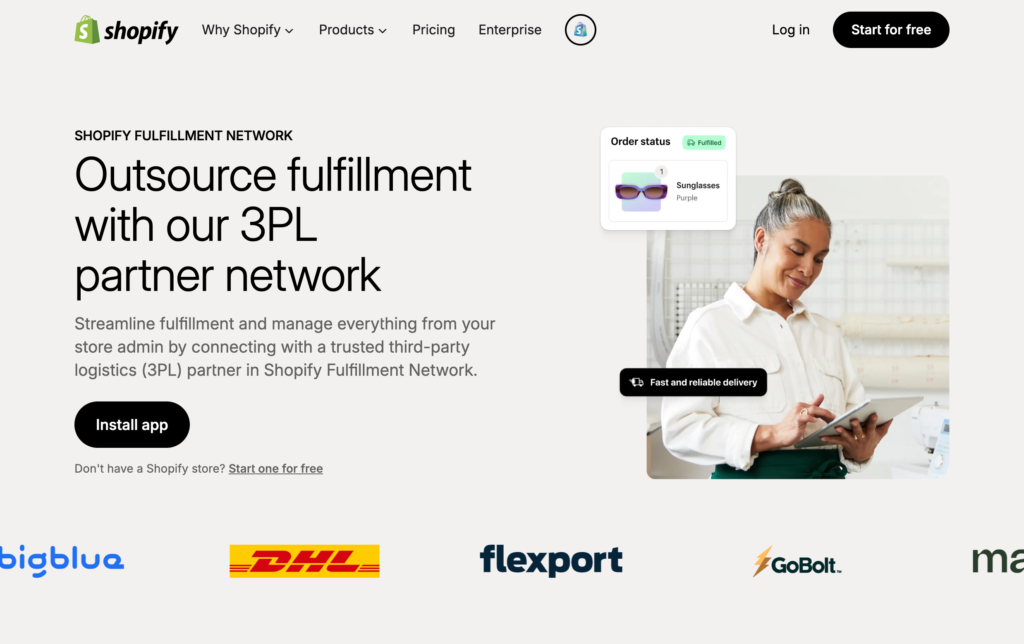
A few years ago, Shopify invested heavily in building the Shopify Fulfillment Network. Eventually, however, the company sold its logistics business to Flexport and shifted away from operating its own fulfillment network.
Today, Shopify Fulfillment primarily connects merchants with fulfillment partners rather than operating a nationwide logistics network itself.
Good News for Sellers
Competition is always good for merchants.
Sellers now have three major marketplace fulfillment networks to choose from, each capable of storing inventory and fulfilling orders from multiple sales channels.
In many cases, sellers can even use one marketplace’s fulfillment network to ship orders from another marketplace.
That means a Walmart order could be fulfilled by Amazon, an Amazon order could be fulfilled by TikTok, or a Shopify order could be shipped from inventory stored in any of these networks.
This flexibility gives sellers more options when optimizing shipping costs, delivery speed, and inventory placement.
More Competition Means Better Services
The fulfillment market is becoming increasingly competitive.
Amazon, Walmart, and now TikTok are all competing not only for marketplace sellers but also for fulfillment business. That competition will likely lead to lower prices, better service, and additional features as each company tries to attract more merchants.
Only a few years ago, marketplace fulfillment was designed solely to support orders placed on each platform.
Today, these fulfillment networks are evolving into full-service logistics providers capable of shipping orders from virtually any sales channel.
TikTok’s launch of multichannel fulfillment marks another important step in that evolution and signals that the competition between the largest ecommerce platforms is only getting started.
