




What is EDI?
Electronic Data Interchange (EDI) is the concept of businesses communicating electronically with each other as a replacement of traditional communication which happened on paper. Instead of sending invoices and purchase orders via fax or mail, businesses can now send this data electronically.
In order for this communication to be possible, traditional documents are translated into a format that is structured to be interpreted by EDI software. You do not need to understand this code, it is just to transfer data between systems, while the EDI software shows end-users readable versions of documents.
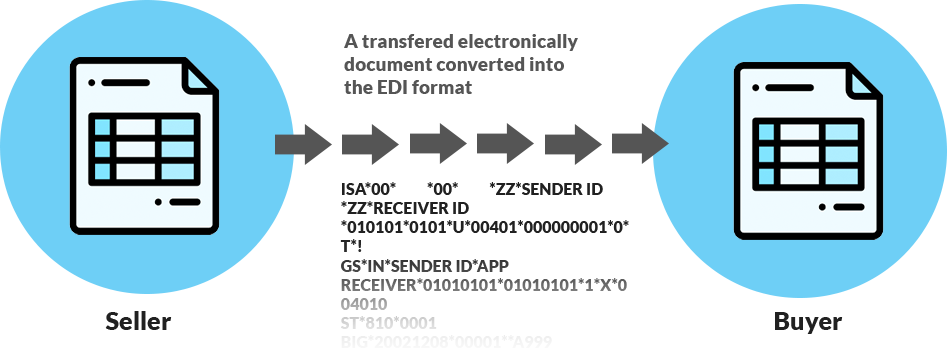
How Does EDI Software Work?
This is a typical scenario for an EDI transaction:
Step 1: The sender prepares a document (such as a purchase order to buy goods or services).
Step 2: The document (in this case a purchase order) is converted by the EDI software.
Step 3: The converted data is transmitted to the trading partner, generally through a secure communication protocol like SFTP, HTTPS, or AS2.
Step 4: The receiving party gets the file and acknowledges delivery by sending back a message disposition notice (MDN).
Who Uses EDI?
EDI is used by all major retailers (Amazon, Target, Costco, Kroger, Home Depot, Lowe’s) to maintain a direct supplier relationship with sellers. If you are in B2B, it is very likely your organization will at one point need to work with EDI or a partner who can assist you with this technology.
